0-to-1 Research: Making the Case for Data Hygiene in AI Product Development
An AI agent is only as useful as the data it runs on, and when I went looking for what Intapp’s users needed, I found that data was the problem no one had prioritized.
Overview
Data hygiene was an overlooked problem, not just an opportunity space, but a real risk to the perceived usefulness of any agentic functionality if the underlying data wasn't accurate. Tasked with the ambiguous mandate to "go find what our users need and where we can expand," this 0-to-1 discovery effort surfaced a need that hadn't yet been identified by product development. The research ultimately led to new agentic functionality, mitigated financial risk, and drove platform improvements and this was all grounded in previously overlooked user needs.
Project Scope
Company; Intapp
Timeframe: ~1.5 years (self-initiated; research started at the DealCloud Ambassador Conference, May 2024)
My Role: Senior UX Researcher; identified and championed the opportunity
Teams Involved: Design, Engineering, Product Management (3rd-4th phase)
Methods: Contextual Inquiry, Survey, In-Person Co-Design
Tools: Figma, Microsoft Teams, Slack, Qualtrics
Constraint: Data hygiene had been overlooked for years, so the early work had no assigned project, budget, or dedicated research time. I built the case alongside my existing responsibilities, and earned stakeholder buy-in by Phase 3.
Key Question:
What are the most important user needs AI can meet, and is data hygiene a big enough barrier to adoption to be one of them?
Business Goal:
Increase Intapp adoption and retention by improving the data quality users rely on.
User Goal:
Spend less time entering and cleaning data, and trust that the data in Intapp is accurate.
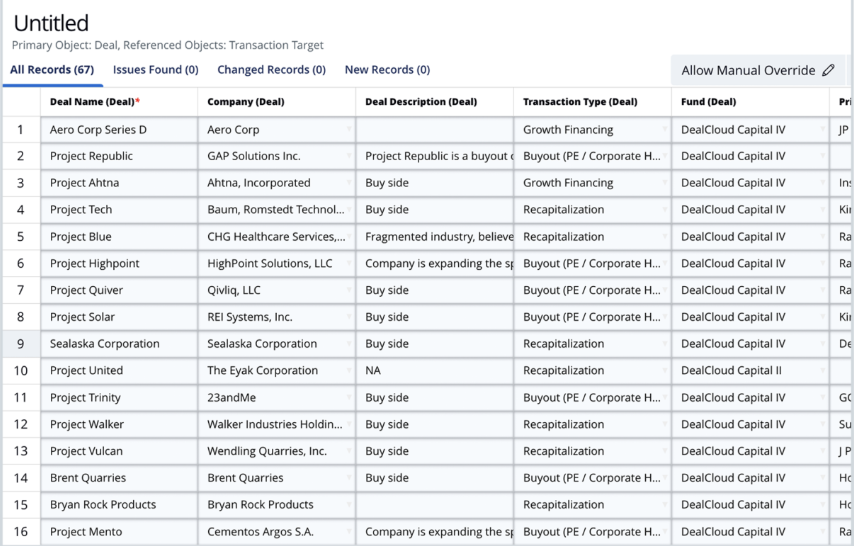
Research Phases and Key Takeaways
Phase 1: In-Person Co-Design
Goal: Surface unmet user needs by asking participants to design their own AI tool.
Participants: 25 platform managers/admins
Key Takeaway:
Data hygiene was the top unmet need: 15 of 25 participants (60%) designed an AI tool to solve data hygiene problems, such as identifying duplicate, outdated, or inconsistent records.
Phase 3: Survey
Goal: Measure how painful data hygiene was for users compared with other known needs.
Participants: 78 platform managers/admins
Key Takeaways:
Data hygiene ranked as the top pain point: Participants rated data entry and data cleaning as their two most tedious and painful tasks.
Users were open to AI help: More than 75% said they were comfortable with AI assisting in these tasks. Comfort with AI depended on control: users welcomed help as long as they could review changes first.
Phase 2: Internal Data Triangulation
Goal: Gather existing evidence from Sales, Client Success, and Support, and combine it with secondary research to find gaps in what we knew.
Key Takeaways:
Data hygiene was blocking adoption: When users couldn’t trust the underlying data, they were less likely to adopt Intapp.
The scope still needed validation: It wasn’t yet clear how widespread the problem was or whether it justified building new functionality.
Phase 4: Contextual Inquiry
Goal: Pinpoint pain points in the data entry and cleaning workflow, and learn where participants were comfortable with, or expected, automation.
Participants: 7 platform managers and admins
Key Takeaways:
Users wanted to review before AI made changes: Most participants wanted to see proposed record merges, entry-form details, and record updates before anything was applied, to protect data accuracy.
Source links and an easy way to verify changes were essential. Without them, participants didn’t see AI as saving time.
Some worried AI would add errors: A few participants feared AI might introduce mistakes rather than catch them.
Existing tools had specific gaps: Current Intapp functionality made data entry and cleaning harder. For example, duplicate records weren’t flagged consistently, and records with missing information were hard to find.
Deliverables
Research findings decks with recommendations
Business case brief
Co-design artifacts
Workflow maps
How I Used AI: In-person activity and logistics brainstorming; pattern detection across support tickets and CS/Sales call transcripts; initial survey question drafting; initial survey and interview transcript analysis; findings deck formatting.
Outcomes Tied Back to the Challenge
Made data hygiene a priority after years of neglect: The research moved a long-ignored problem onto the DealCloud and Celeste roadmaps.
Found 10+ gaps in DealCloud’s current data hygiene tools: For example, duplicate records weren’t flagged consistently, and records with missing information were hard to find quickly.
Prioritized an agentic use case for data entry: Gave the team a concrete, AI-driven way to address the problem.
What I’d do differently: Tie the problem to business metrics sooner. Phase 2 showed data hygiene was blocking adoption. If I did this project over again, I would connect the importance of this project early to adoption rates, churn risk, or support ticket volume to win buy-in faster.